Which Minnesota State Parks Have Cabins, and What Kinds?
Finding a cabin at a Minnesota state park is not just a matter of picking a park: lodging names can describe very different levels of comfort, and availability can vary by location and date. The safest approach is to search the official listings first, then compare each unit’s amenities, rules and setting with your trip needs. Here’s how to narrow the choices without assuming every cabin offers the same experience.
Start With the Kinds of Lodging Available
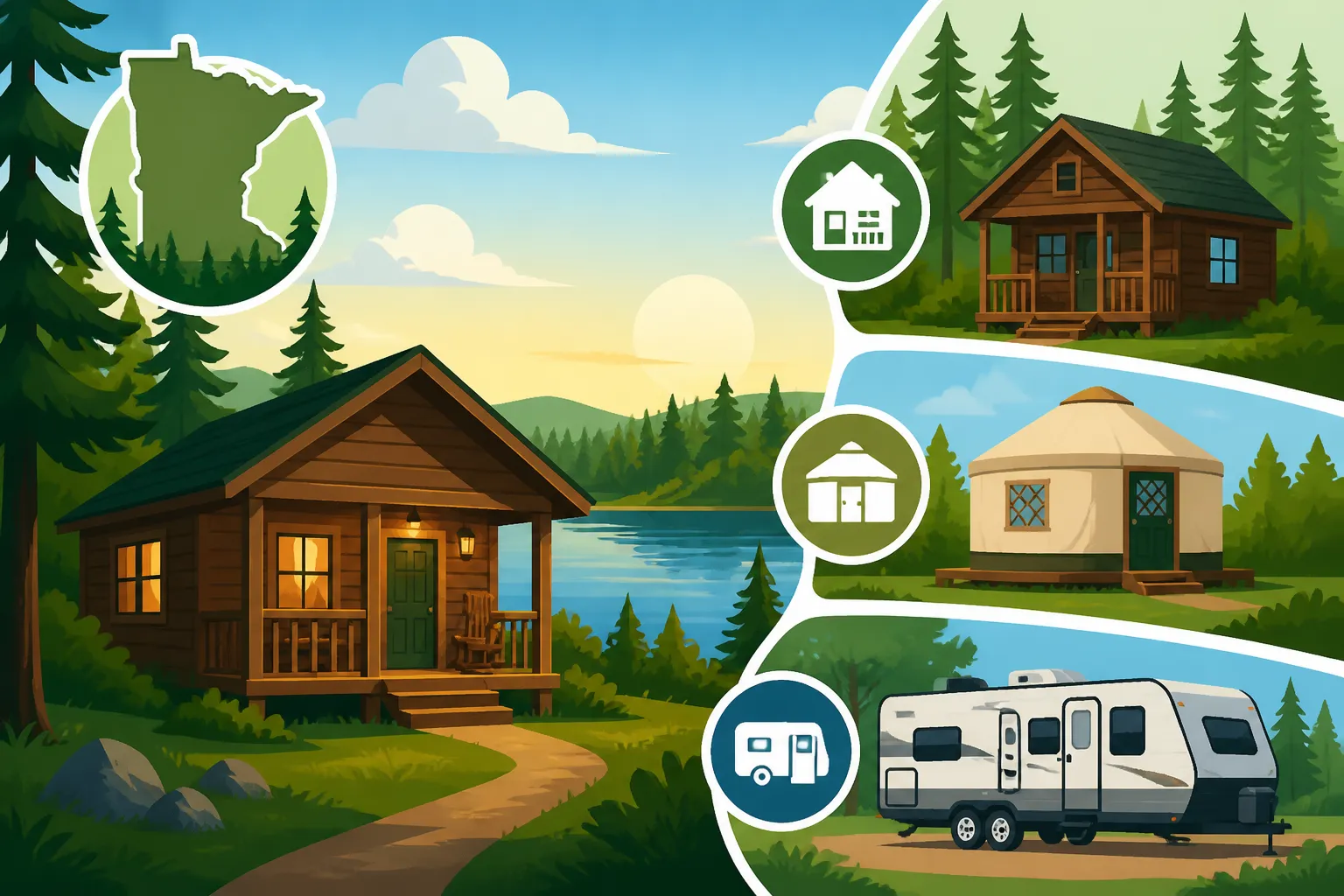
According to the Minnesota Department of Natural Resources, some Minnesota state parks and recreation areas offer cabins, guesthouses, and more basic camper cabins. State parks and state recreation areas offer more than 5,000 campsites and a variety of cabins, guesthouses.
Those broad categories are useful starting points, not complete descriptions of what you will find inside a particular building. A lodging name alone does not tell you the sleeping arrangement, whether there is indoor plumbing, what cooking equipment is present or whether you need to bring bedding. Check the individual listing before you choose.
| Lodging type | What the name helps you understand | What to verify in the specific listing |
|---|---|---|
| Cabin | A roofed lodging option rather than an ordinary campsite | Sleeping setup, heat, water, bathroom access, cooking arrangements and supplies |
| Guesthouse | A lodging category that may suit a group or a longer visit | Capacity, room layout, shared spaces, kitchen details and accessibility |
| Camper cabin | A more basic cabin option, as described by the Minnesota Department of Natural Resources | What is provided, what you must bring, nearby facilities and seasonal availability |
| Yurt or wall tent | A different kind of roofed stay, not interchangeable with a cabin | Furnishings, heat, water, storage and the rules for that unit |
Treat the table as a checklist, not a promise about features. The official description for the specific park and unit is the deciding source. The listing may also distinguish between lodging buildings within the same park, so avoid relying on a general overview when you are ready to book.
If you are still deciding between a cabin and another kind of overnight stay, Campsite, Camper Cabin or Yurt? Choosing How to Stay in a State Park can help you compare the basic trade-offs. For an overview focused on camper cabins, see Inside a Minnesota State Park Camper Cabin: What It Includes. The details you confirm for the particular unit matter more than assumptions based on its category.
How to Find Which Parks Have Cabin Lodging
There is no need to guess from park names or scenic descriptions. Begin with the Minnesota Department of Natural Resources’ official lodging and reservation information, and search for available lodging rather than looking only at campsites. A park’s general page may provide useful context, but the individual lodging listing is where you should confirm the type of unit and its current booking details.
Use a step-by-step search:
- Choose the trip area or park first. If you have a destination in mind, search that park’s lodging information. If your destination is flexible, search more broadly and compare several parks.
- Select a lodging category. Look for cabins, guesthouses and camper cabins as distinct options. If you are open to canvas lodging, include yurts or wall tents in a separate comparison rather than treating them as cabins.
- Open the individual unit description. Read the full listing, not just the name shown in a search result. Confirm which facilities and supplies are included.
- Check the dates you need. A park may have a lodging category without the particular unit being available for your trip. Availability is date-specific.
- Review the park information alongside the unit listing. The surrounding facilities, access and activities can affect whether that lodging works for your group.
- Confirm before making plans around a feature. If a specific amenity or access detail is essential, use the official listing or contact information provided by the agency to verify it.
A park’s location on a map does not tell you whether it has a cabin, what kind of cabin it has or whether it is open for the dates you want. Likewise, a search result that says “cabin” may not answer practical questions about bathroom access, heat, cooking or bedding. Make the lodging listing your source of truth.
Availability is also a separate question from whether a park offers cabins at all. A location can have cabin lodging, yet have no suitable unit open for your dates. If your first choice is unavailable, broaden the search by area, lodging category or travel dates. When Popular Minnesota State Parks Are Booked Up: Other Options offers ideas for staying flexible when the most obvious choice is full.
If you are comparing several parks, keep a short list of candidate units and record the information in the same way for each. Note the exact unit name, dates, occupancy information, amenities you need and any rule that affects your plans. That makes it easier to compare like with like instead of relying on a vague impression from a photo or a park overview.
What the Different Cabin Names Do and Do Not Tell You
Cabins
A listing called a cabin identifies a lodging option, but it does not automatically answer the questions that matter most to a particular traveler. Before choosing one, check how sleeping space is arranged, whether the description identifies heat or plumbing, what cooking facilities are available and which supplies are included. Confirm whether the unit’s stated capacity suits the people in your party, and check any relevant rules about children, pets or accessibility.
Do not infer that a cabin has a full kitchen, private bathroom or bedding unless the listing says so. Photos can help you understand the layout, but they may not show every limitation or included item. If a feature is essential, look for it in the written description and seek confirmation when that description is unclear.
Guesthouses
A guesthouse is another lodging category, and the name alone does not establish its layout or services. Some travelers may be looking for a shared indoor space, several sleeping areas or a place for a group to gather. Those needs are best checked against the actual floor plan and the rules for the particular property.
Read the listing for information about occupancy, room arrangement, kitchen or dining facilities, bathrooms and shared spaces. Ask whether the sleeping areas provide the privacy your group expects. If a group includes people with different mobility or comfort needs, confirm how the building is accessed and whether the sleeping and bathroom arrangements work for everyone.
A guesthouse may suit a different kind of visit from a small cabin, but do not assume that it is automatically more private, more fully equipped or appropriate for a particular group size. Compare the listed features directly. Guesthouse or Camper Cabin for a Weekend With Friends can help you think through the choice when you are planning a shared trip.
Camper cabins
The Minnesota Department of Natural Resources describes camper cabins as the more basic option among the cabin categories named in its overview. That distinction is a good reason to check the unit’s inventory carefully, not a reason to guess what “basic” means at a particular park.
Look for a clear description of the sleeping arrangements and the items supplied. Check whether you need to bring bedding, cooking equipment, dishes, lighting or other essentials. Confirm what facilities are nearby and how you reach them from the unit. If you are arriving in cold or wet weather, pay particular attention to the description of heat, water access and any seasonal limits.
A camper cabin can be a practical alternative to pitching a tent, but the exact experience depends on the listing. Not a Tent Person? Minnesota State Park Cabins as a Middle Ground is useful if your main goal is to sleep indoors while deciding how much of a traditional camping setup you still want.
Yurts and wall tents
A yurt or wall tent may appear in the same lodging search as cabins, but it is a different type of stay. It is worth considering if you want shelter without choosing a conventional cabin. Compare its features independently: don’t assume it offers the same rooms, bathroom access, heating, storage or supplies as a cabin.
For an overview of the differences between these options, see Canvas Stays: Choosing Between a Wall Tent and a Yurt. If a yurt is on your list, Packing List for a State Park Yurt or Wall Tent Night can help you prepare for the particular items you may need to bring. In either case, use the official listing for the unit you are considering, because a general category description may not resolve questions about that location.
Choose a Park and Cabin by the Trip You Want
The best match is not necessarily the park with the most appealing cabin photo. Start with the purpose of your trip, then use that to filter lodging options. Think about what you want to do during the day, how much time you expect to spend at the unit and which practical needs cannot be compromised.
If the trip is mainly about exploring a particular park, begin with that park and check its lodging options. If sleeping indoors is the priority, search more widely and see whether another park has a unit that fits your needs. A flexible destination can give you more choices, while a fixed destination makes it especially important to look early and have a backup plan.
Consider these questions before comparing units:
- Who is coming? Note the needs of everyone in the group, including children, older adults and anyone who requires particular access features.
- How will you use the lodging? A place to sleep after a full day outside may call for different features than a unit where you expect to spend substantial time indoors.
- What is essential? Identify must-haves such as a particular sleeping arrangement, bathroom access, heat, cooking setup or pet policy.
- What can you adapt? Decide whether you can bring supplies, use nearby facilities or change your meal plan if a preferred feature is not included.
- How will you get there and move around? Check the access description, parking information and route between the unit and the facilities you plan to use.
- What is the setting like? Use the park information to understand the location of the lodging in relation to the areas you hope to visit.
Do not treat a park’s activities as a substitute for checking the cabin. A location may suit your outdoor plans but offer a unit that does not meet your lodging needs. The reverse is also true: a cabin that looks comfortable may not put you near the activities or facilities that matter most to your group.
For family trips, check the actual sleeping setup rather than relying on a broad capacity statement. Consider whether children will need separate sleeping areas, how close the unit is to facilities and whether the walk between the lodging and daily activities is manageable. Which Minnesota State Park Suits a First Family Camping Trip? can help you think through the park choice, while the unit listing should settle the lodging details.
For a trip with friends or relatives, agree on expectations before reserving. People may use “cabin” to mean anything from a simple shelter to a well-equipped indoor stay. Share the listing with everyone and confirm the sleeping arrangement, facilities, supplies and house rules together. That can prevent surprises about privacy, meals or what each person needs to pack.
For a quieter or more independent visit, compare the location and setting of the specific lodging unit rather than looking only at the park’s overall description. Ask whether the unit is near shared facilities, other lodging or a busy area if that could affect your plans. The listing and park map may answer some of these questions; confirm anything important that is not clear.
Compare Cabins With Other Ways to Stay
A cabin is only one option for an overnight visit. Depending on what you need, a camper cabin, guesthouse, yurt, wall tent or campsite may be a better fit. The right comparison is not simply “indoors versus outdoors.” It is a question of what is provided, what you must carry, how much privacy you want and how you expect to spend the trip.
| What matters most | Options to compare | Question to settle |
|---|---|---|
| More indoor comfort | Cabin and guesthouse listings | Which listed features are essential, and which are optional? |
| A simpler roofed stay | Camper cabin, yurt and wall tent listings | What supplies and facilities will you need to provide or use nearby? |
| A traditional camping setup | Campsite options | What equipment and campground facilities are available for your plans? |
| A group gathering space | Guesthouse and group lodging information | Does the layout and stated occupancy fit the group? |
| A specific seasonal trip | The unit’s availability and seasonal details | Are the facilities and access you need available for your dates? |
A campsite may be a better choice if you already have the equipment and prefer to cook, sleep and spend time outdoors in your own setup. A cabin may be appealing if you want an enclosed place to sleep, but the word “cabin” should not lead you to assume that every camping task disappears. You may still need to bring food, cooking gear or bedding, depending on what the listing provides.
A camper cabin can make sense if you want a roofed stay but do not need every comfort associated with a more fully equipped lodging option. Still, compare the specific unit with the campsite you would otherwise choose. If you must carry supplies or walk to facilities, factor that into the decision rather than judging only by the fact that the unit has walls and a roof.
Guesthouses and cabins may both offer indoor lodging, but they are not interchangeable by name. If your group wants shared gathering space or distinct sleeping areas, check whether the guesthouse listing actually describes those features. If a smaller unit is more appropriate, compare its sleeping arrangement and capacity rather than assuming it will be easier or more comfortable.
Yurts and wall tents offer another alternative for people who want a different atmosphere from a conventional cabin. Their facilities and supplies can differ from both cabins and campsites, so check each listing. Yurts in Minnesota State Parks: Woodstoves, Lockers and No Plumbing covers features that may matter when comparing a yurt stay with a cabin.
Cost is another part of the comparison, but do not compare lodging rates without checking what the charge covers and what other trip costs may apply. The type of lodging, selected dates and other booking details can affect what you pay. For a broader overview of park and camping costs, see What You Pay to Visit and Camp in Minnesota State Parks. For current amounts, use the official information rather than relying on old figures or a general category description.
A useful way to compare is to write down the total tasks each option leaves to your group. For a campsite, list the equipment and setup work. For a cabin, list the supplies that the listing does not provide. For a camper cabin, note the facilities you will use elsewhere in the park. For a guesthouse, check how the shared spaces and sleeping arrangements work. This makes the decision about effort and comfort, not just the lodging label.
What to Verify Before You Reserve
Once you have a promising park and unit, read the official listing as if you were checking a rental agreement. Confirm the details that could change your plans, and save the information you rely on. If a feature is unclear, ask the agency through its official contact options before reserving rather than assuming it is included.
Unit details
Confirm the exact unit name and lodging type. A park may have more than one kind of roofed lodging, and a search result may not show which one you are viewing. Check the stated occupancy, sleeping setup, furnishings, cooking details, heat, water and bathroom arrangements.
If you need a particular item, verify whether it is supplied or whether you must bring it. This is especially important for bedding, cooking gear, towels, dishes and lighting. Do not assume that photos show every included item or that all units of the same category have an identical inventory.
Access and facilities
Check how you reach the unit from the parking area and whether the route or surface creates a problem for anyone in your party. Read about nearby restrooms, showers, water and other facilities, and confirm whether they are available for your dates. Do not assume that a facility shown elsewhere in the park is immediately beside the lodging or open whenever you arrive.
If accessibility is important, look for specific access information and ask about the details that affect your visit. A general statement about a lodging category may not answer questions about the path, doorways, bathroom layout, sleeping area or parking. Accessible Camping and Discounts at Minnesota State Parks offers broader planning context, but the particular unit’s details still need confirmation.
Rules and policies
Review the rules that apply to the unit, not only the campground or park in general. Check whether pets are allowed, whether the unit has any special restrictions, what arrival and departure procedures apply and whether there are instructions for using or cleaning the space. If you are traveling with a service animal or need an exception clarified, consult the official policy rather than inferring it from a general pet description.
For a pet trip, Dogs in Minnesota State Parks: Leash Length, Lodging and Beaches can help you understand which questions to ask. For more detail about cabin pet policies, see Can Your Dog Stay in a Minnesota State Park Camper Cabin?. Confirm the policy for the exact unit, because a rule for campsites may not be the same as a rule for lodging.
Reservation and cost details
Before you commit, review the official reservation information for the selected unit and dates. Check the cancellation and change terms, any required payment information, what is included in the displayed cost and whether other charges apply. Named-provider prices and terms can change, so use the official reservation system for current figures.
If the reservation system presents several similar listings, double-check the park, unit type and dates before completing the booking. Keep the confirmation and the official description available for your trip. If plans change, use the reservation provider’s current instructions rather than relying on a general assumption about whether changes or cancellations are possible.
Seasonal details and arrival plans
Check whether the unit and nearby facilities are available during the season you plan to visit. Do not assume that water, showers, heat or other services operate the same way in every season. Confirm the arrival instructions, where to check in and what to do if you expect to arrive outside the usual process described for that unit.
It is also sensible to check the park’s current alerts before departure and again when you arrive. A closure, road condition or facility change can affect a stay even when the lodging reservation itself remains in place. Flood or Storm Closures: Checking a Minnesota State Park’s Alerts explains what to check when weather or closures could affect a visit.
Plan the Stay Around the Unit You Book
The most useful packing list depends on what the official listing says is provided. Start with the unit description and build from there. Pack only after confirming what you need, especially if the trip involves a camper cabin, yurt or wall tent whose furnishings may differ from those of a conventional cabin.
Prepare meals based on the listed setup
Read the cooking information before planning a menu. If the listing does not confirm an oven, refrigerator, dishes or cookware, do not build your meal plan around those items. Choose meals that suit the equipment you have confirmed, and bring any supplies that are not included.
If the unit’s cooking arrangement is limited or unclear, plan a backup that does not depend on an unverified appliance. Ask whether cooking is allowed in the unit and where outdoor cooking is permitted. Avoid assuming that a cabin’s indoor setting means it has a kitchen or that a campsite rule applies to lodging.
Pack for the sleeping arrangement
Use the listed bed and sleeping setup to decide what to bring. Confirm whether bedding is included and what size or type of sleeping space is provided. If the description is silent, ask rather than guessing. Bring personal items that the listing does not provide, and consider how the arrangement will work for everyone sharing the unit.
For families, check whether children can sleep comfortably in the listed spaces and whether you need to bring a travel bed or other equipment. For a group, make sure everyone understands the arrangement before the trip. A capacity figure does not necessarily explain privacy or bed layout.
Make a facility plan
Identify where you will get water, use restrooms or access other shared facilities if they are not inside the unit. Check the park information for their locations and seasonal availability. If someone in your group has mobility needs, think through the route and distance, and confirm any details that could affect access.
You may also want a plan for wet gear, muddy shoes and food storage. The listing or park rules may give specific instructions; follow those rather than inventing a workaround. If an item needs to stay outside or be stored in a particular way, verify the approved arrangement for that property.
Prepare for weather and limited service
A lodging unit can reduce exposure to weather, but it does not eliminate the need to plan for it. Check the forecast and the park’s alerts, pack suitable clothing and know what to do if conditions disrupt travel or activities. If the unit uses a particular heating method or has seasonal limitations, confirm its operation and any related instructions before arrival.
Do not count on mobile service, nearby stores or an unlisted amenity unless you have verified it. Bring essential medications, needed supplies and a backup plan for meals or activities. That is especially helpful if your trip depends on a facility or service that may not be available at the unit.
Keep a simple confirmation record
Before leaving, keep the reservation confirmation, the exact unit details and the park’s arrival instructions where your group can access them. Save the information in a way that will still be available if reception is poor. Make sure the person responsible for the reservation has shared the relevant rules and packing needs with everyone traveling.
The goal is not to overpack or prepare for every possible inconvenience. It is to avoid arriving with expectations that the listing never promised. A careful comparison of the official unit description, park facilities and your group’s needs is usually more useful than assuming that cabins across the state have the same setup.
Frequently Asked Questions
Which Minnesota state parks have cabins?
Use the Minnesota Department of Natural Resources’ official lodging and reservation information to search by park and lodging type. Check the individual unit listing for the location, current availability and amenities before making plans.
Are cabins and camper cabins the same thing?
No. The Minnesota Department of Natural Resources identifies camper cabins as the more basic option among the lodging types described in its overview. The exact furnishings and facilities still depend on the individual listing.
Do state park cabins come with bedding and a kitchen?
Do not assume that they do. Check the listing for the specific unit and confirm any important item that is not clearly described. See Do Minnesota State Park Camper Cabins Come With Bedding? for questions focused on camper cabins.
Are cabins available year-round?
Availability and facility operation can depend on the unit and season. Check the official listing for your dates and confirm any seasonal details that affect your plans.
Sources
- Minnesota Department of Natural Resources — Minnesota DNR shares tips for planning this summer’s camping trips: Mar 9, 2026 | News release | Minnesota DNR (checked November 22, 2026)
- Minnesota Department of Natural Resources — Camping | Minnesota DNR (checked November 22, 2026)
Disclaimer
This article is for general informational purposes only and does not constitute professional advice. Laws, prices and regulations vary by location and change over time. Consult a qualified professional for guidance on your specific situation. Minnesota Camping & RV is not a government agency and is not affiliated with any government agency.